A loose tooth is often associated with childhood, when baby teeth naturally fall out to make room for permanent teeth. However, noticing movement in an adult tooth can feel very different because permanent teeth are designed to remain stable throughout life.
An adult tooth that feels loose should not automatically be ignored, even if there is no pain. Tooth mobility can happen for several reasons, including gum problems, injuries, grinding habits, infections, or changes in the structures that support the teeth.
The earlier the cause is identified, the more options may be available to protect the tooth and surrounding oral tissues. Patients in Cudahy and nearby communities who notice changes in tooth stability can benefit from understanding what may be happening and when professional evaluation is recommended.
Why Does An Adult Tooth Become Loose?
Adult teeth stay firmly in place because they are supported by the gums, periodontal ligament, and jawbone. When any of these supporting structures are affected, the tooth may begin to move.
A loose tooth is not a condition by itself. It is usually a sign that something has changed within the mouth.
Possible causes include:
- Gum disease affecting tooth support
- Injury or trauma to the mouth
- Tooth grinding or clenching
- Advanced tooth decay
- Dental infections
- Changes in bone support
- Certain health conditions that affect oral health
The cause determines whether the tooth can be stabilized, treated, or requires another approach.
Is A Slightly Loose Tooth Always A Serious Problem?
Not every change in tooth movement means immediate tooth loss, but adult tooth mobility should still be evaluated. Some cases are related to temporary irritation, while others may indicate a condition that needs treatment.
A tooth may feel slightly loose because of:
- Inflammation around the gums
- Recent dental trauma
- Excessive pressure from biting or grinding
- Changes around the tooth root
A dentist can determine whether the movement is within a normal range or whether the tooth requires attention.
Patients searching for information about a loose tooth in adults often want to know whether they should wait and see if it improves. The safer approach is to identify the cause rather than allowing a possible dental problem to continue without evaluation.
Gum Disease Is A Common Cause Of Loose Adult Teeth
One of the most common reasons adults experience tooth mobility is periodontal disease, also known as gum disease.
Gum disease begins when bacteria accumulate around the teeth and gums, leading to inflammation. In early stages, symptoms may be mild, such as bleeding during brushing or swollen gums.
Without treatment, the condition can affect the tissues and bone that support the teeth. As support decreases, teeth may become loose.
Signs that may be associated with gum problems include:
- Bleeding gums
- Gum recession
- Persistent bad breath
- Swollen or tender gums
- Teeth appearing longer
- Changes in how teeth fit together when biting
Because gum disease can progress without significant pain, regular dental visits are important for identifying problems early.
Can A Loose Tooth Be Caused By An Injury?
Yes, trauma is another common reason a tooth may become loose. A strong impact from sports, accidents, falls, or other injuries can affect the tissues holding a tooth in place.
After an injury, a tooth may feel:
- Slightly mobile
- Sensitive when biting
- Different from surrounding teeth
- Uncomfortable when touched
Even if the tooth does not hurt significantly, a dental evaluation can help determine whether the supporting structures were damaged.
In some cases, a tooth affected by trauma may stabilize with appropriate care. In other situations, additional treatment may be necessary depending on the extent of the injury.
How Tooth Grinding Can Affect Tooth Stability
Many people grind or clench their teeth without realizing it. This habit, known as bruxism, can place repeated pressure on teeth and their supporting structures.
Over time, excessive force may contribute to:
- Tooth sensitivity
- Worn tooth surfaces
- Jaw discomfort
- Increased stress on supporting tissues
A dentist can evaluate signs of grinding and recommend appropriate strategies if it is affecting oral health.
Managing excessive pressure on teeth may help reduce unnecessary stress and protect remaining tooth structure.
What Happens If A Loose Tooth Is Left Untreated?
Ignoring a loose adult tooth may allow the underlying problem to progress. The outcome depends on the reason the tooth became mobile.
For example:
- Untreated gum disease may continue affecting bone support.
- An untreated infection may spread or damage surrounding structures.
- Trauma-related problems may worsen without evaluation.
A loose tooth does not always mean the tooth will be lost, but delaying care can reduce available treatment options in some situations.
For patients in Cudahy, WI, seeking dental advice when changes are first noticed can help identify problems before they become more complicated.
How Does A Dentist Evaluate A Loose Tooth?
A dental evaluation focuses on understanding why the tooth is moving and how much support remains.
During an examination, a dentist may assess:
Tooth Movement
The dentist checks how much the tooth moves and whether the movement is associated with certain conditions.
Gum Health
The gums are evaluated for inflammation, infection, recession, and signs of periodontal disease.
Bone Support
Dental imaging may be used to examine the supporting bone and structures around the tooth.
Bite And Pressure Patterns
The dentist may evaluate whether grinding, clenching, or bite problems are placing extra stress on the tooth.
This information helps determine the most suitable treatment approach.
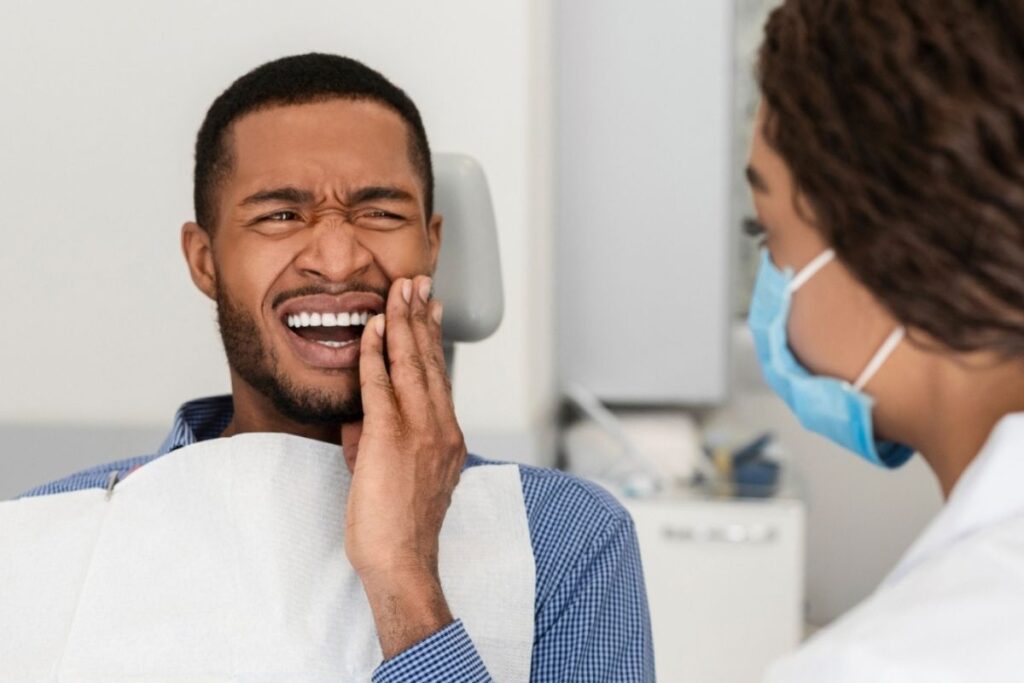
Treatment Options For A Loose Adult Tooth
Treatment depends entirely on the cause. There is no single solution for every loose tooth because each situation involves different factors.
Treating Gum-Related Tooth Mobility
If gum disease is contributing to tooth looseness, treatment may focus on improving gum health and reducing inflammation.
Possible approaches may include:
- Professional dental cleanings
- Deep cleaning procedures
- Improved home care routines
- Periodontal treatments when needed
The goal is to improve the health of the tissues supporting the teeth.
Stabilizing A Tooth After Injury
A tooth affected by trauma may sometimes require temporary stabilization while the surrounding tissues recover.
The dentist may recommend monitoring, protective measures, or additional treatment depending on the injury.
Early evaluation can help determine whether the tooth has a better chance of remaining stable.
Addressing Grinding And Bite Problems
If excessive pressure contributes to tooth movement, treatment may involve reducing stress on the teeth.
Options may include:
- Night guards
- Bite evaluation
- Recommendations for managing clenching habits
The appropriate approach depends on the individual situation.
When Tooth Replacement May Be Considered
In some cases, a loose tooth cannot be saved because the supporting structures are too damaged. When this happens, dentists may discuss replacement options.
Possible options include:
- Dental implants
- Dental bridges
- Partial dentures
The right choice depends on factors such as oral health, bone condition, treatment goals, and overall dental needs.
Can You Tighten A Loose Tooth At Home?
Many people search for ways to tighten a loose tooth naturally or at home. However, there is no safe home method that can rebuild damaged supporting tissues or permanently stabilize a tooth.
Actions that may help protect the tooth include:
- Avoiding excessive pressure while chewing
- Maintaining gentle oral hygiene
- Following professional recommendations
- Avoiding habits that worsen movement
Trying to push, tighten, or adjust the tooth manually can irritate the area and may make the situation worse.
A dentist is the right person to determine why the tooth is loose and what treatment may help.
Daily Habits That Help Protect Tooth Stability
Preventing tooth mobility starts with maintaining healthy gums and reducing unnecessary stress on teeth.
Helpful habits include:
Maintain Consistent Oral Hygiene
Brushing twice daily, cleaning between teeth, and following dental recommendations help reduce harmful bacteria.
Schedule Regular Dental Exams
Routine visits allow dental professionals to identify gum problems, decay, and other concerns before they become advanced.
Address Grinding Symptoms
If you notice jaw tension, worn teeth, or morning discomfort, discuss these signs with your dentist.
Avoid Using Teeth As Tools
Opening packages or biting hard objects can increase the risk of tooth damage.
These habits support long-term oral health and help protect the structures that keep teeth stable.
When Should You See A Dentist About A Loose Tooth?
You should schedule a dental appointment if you notice:
- A permanent tooth moving
- Increased tooth looseness over time
- Gum bleeding or swelling
- Pain when biting
- Tooth sensitivity
- Changes in your bite
A loose adult tooth is easier to manage when the cause is identified early.
Patients looking for dental care in Cudahy can benefit from professional evaluation instead of waiting for symptoms to become more noticeable.
Protecting Your Smile Through Early Action
A loose tooth does not always mean tooth loss is unavoidable. Many situations can be managed when the underlying cause is identified and treated appropriately.
The most important step is understanding why the tooth has become unstable. Whether the issue involves gum health, trauma, grinding, or another dental condition, early attention provides more opportunities for protecting your smile.
Final Thoughts
An adult loose tooth is a sign that something has changed in the supporting structures of your mouth. While the tooth may not always cause pain, movement should still be evaluated by a dental professional.
Understanding possible causes, recognizing warning signs, and seeking timely care can help protect your teeth and prevent further complications.
For patients in Cudahy, WI, professional dental guidance can provide clarity about whether a loose tooth can be stabilized, treated, or replaced with an appropriate solution.
Frequently Asked Questions
Can a loose adult tooth become stable again?
A loose adult tooth may become more stable if the underlying cause is treated, especially when related to gum inflammation or minor trauma. A dentist can determine the appropriate approach after evaluation.
Should I wait if my loose tooth does not hurt?
No, waiting is not recommended because some dental problems progress without pain. A dentist can identify the cause early and discuss treatment options before the condition becomes more advanced.
Can gum disease make adult teeth loose?
Yes, advanced gum disease can damage the tissues and bone supporting teeth, which may cause mobility. Professional evaluation and periodontal care can help manage the condition and protect oral health.